Flexographic printing depends on a careful balance between ink flow, substrate behavior, anilox selection, press speed, and drying conditions. Among these variables, viscosity has a direct role in how smoothly ink transfers and how consistently color develops. Understanding the https://www.ketegroup.com/flexo-ink-viscosity-range/ can help operators establish practical targets for different ink systems while supporting clean, uniform results.
Understanding Viscosity In Flexographic Printing
Ink viscosity describes resistance to flow. A suitable level helps ink move efficiently through the ink chamber and anilox cells before reaching the plate and substrate. Different formulations require different operating conditions, so one fixed value cannot suit every application. Water-based, solvent-based, UV-curable, and high-solids inks may each have distinct viscosity characteristics.
Useful considerations include:
- Ink chemistry and solids concentration
- Substrate type and surface characteristics
- Anilox cell volume and printing speed
- Drying capacity and press temperature
- Measurement method and equipment consistency
Selecting A Practical Operating Range
A balanced approach begins with establishing an approved viscosity window through press trials. General reference ranges can provide a starting point, but the final target should reflect the specific ink, substrate, equipment, and desired print appearance. For example, commonly cited reference values place water-based systems around 18–25 seconds with a Zahn Cup #2, while solvent-based systems may fall around 20–30 seconds. UV-curable formulations can operate at higher viscosity levels.
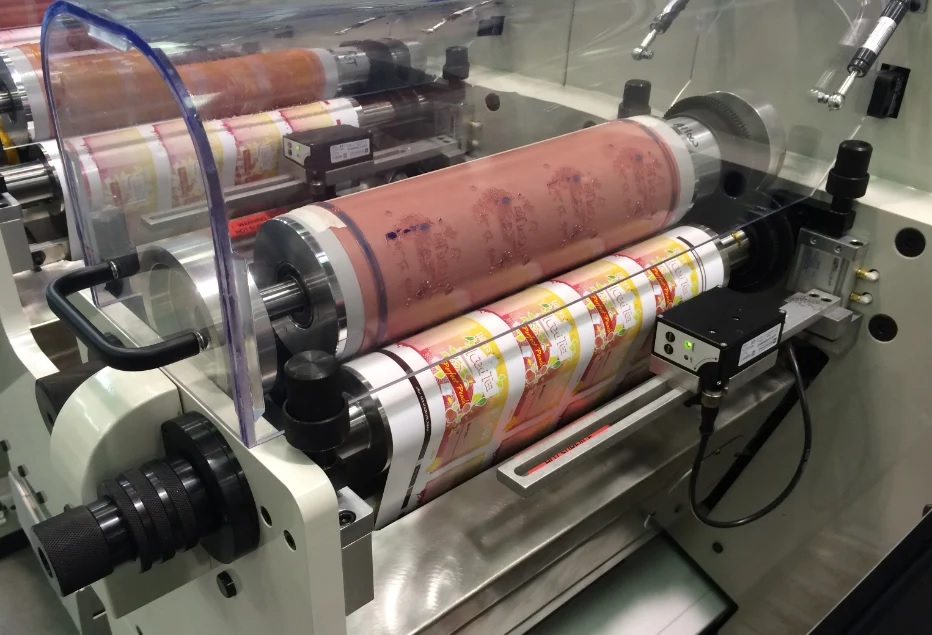
Rather than adjusting viscosity based on a single reading, printers can evaluate:
- Color density and consistency
- Fine detail and dot reproduction
- Ink coverage and smoothness
- Drying performance
- Repeatability throughout the production run
Managing Temperature And Ink Changes
Temperature can noticeably influence ink viscosity. As ink becomes warmer, it generally flows more easily, while cooler conditions can increase viscosity. Solvent or water evaporation during production can also raise viscosity as the concentration of solids increases. Maintaining stable measurement conditions and recording temperature alongside viscosity readings supports more dependable process control.
Regular checks can help operators recognize gradual changes before they affect the printed result. Consistent sampling techniques are equally important because readings can vary when measurement conditions are inconsistent.
Building Consistency Into Daily Production
A practical viscosity-control routine can strengthen overall printing performance. Operators can document the approved range, measurement method, ink temperature, substrate, anilox specification, and press conditions for each recurring job. This creates a reliable reference for future production and reduces unnecessary adjustments.
Balanced printing is achieved through coordinated process control rather than viscosity alone. When viscosity is monitored alongside temperature, ink formulation, press speed, anilox characteristics, and substrate behavior, flexographic operations can achieve stable color, smooth coverage, sharp details, and efficient production. This structured approach supports repeatable quality and encourages confident day-to-day press performance.