Industrial systems depend on accurate flow management to maintain performance, coordinate equipment, and support automation. Solenoid valves use electrical signals to control liquids and gases, making them valuable across many processes. Their varied designs suit different pressure conditions, flow requirements, and operating functions. Understanding these options helps engineers select solutions that support productivity and dependable process control. A clear understanding of each design also makes it easier to align valve capabilities with equipment demands and operational priorities.
Understanding How Solenoid Valves Work
A solenoid valve combines an electromagnetic coil with a mechanical mechanism. When energized, magnetic force moves an internal plunger, changing the flow path. This quick response supports automated operation and precise fluid management.
- Electrical activation enables remote flow control.
- Compact construction supports integration into equipment.
- Fast switching coordinates repeated operating cycles.
- Defined flow paths encourage consistent performance.
Direct-Acting And Pilot-Operated Designs
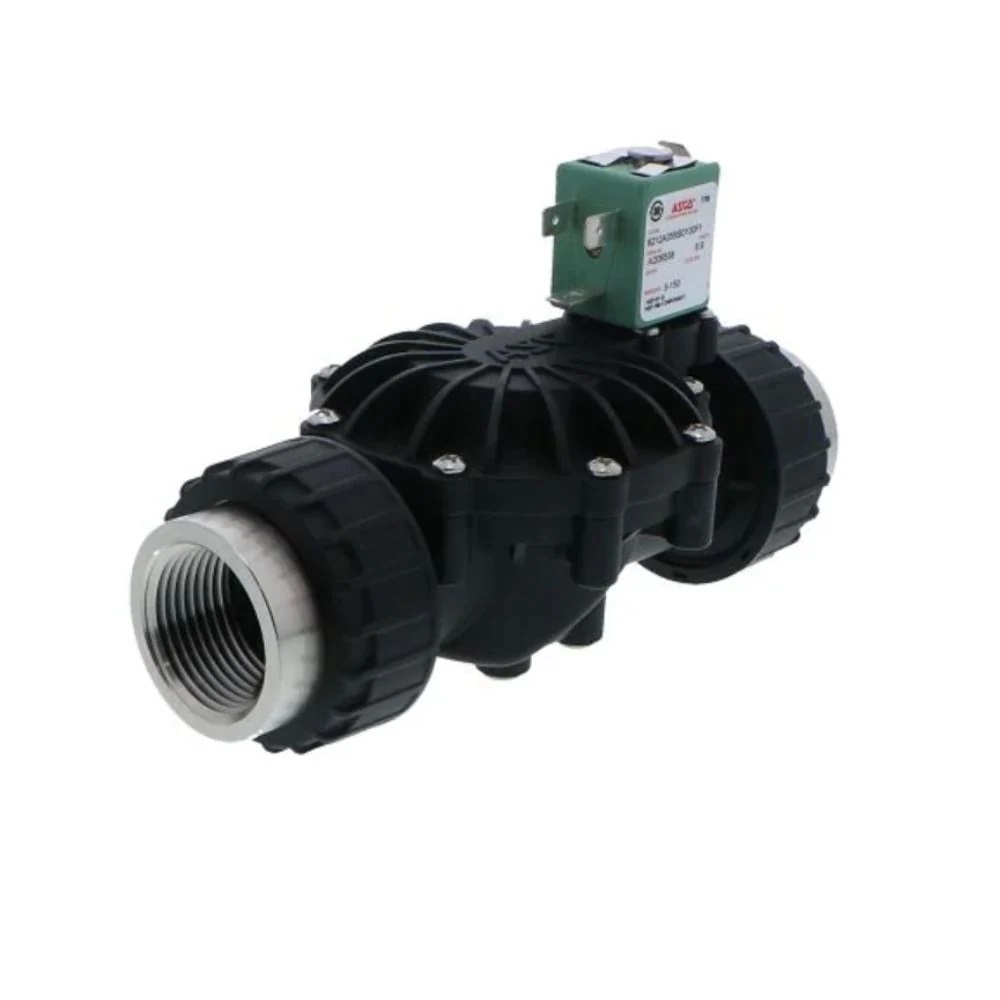
Direct-acting valves use magnetic force to move the sealing element. They are useful when pressure is low or differential pressure is unavailable. Pilot-operated designs use system pressure to control a larger flow, making them valuable for higher-capacity applications with suitable pressure conditions.
- Direct-acting designs operate without relying on line pressure.
- Pilot-operated designs can manage larger flow capacities.
- Selection depends on pressure, flow rate, and response needs.
- Proper sizing supports reliable switching and energy use.
Two-Way, Three-Way, And Four-Way Configurations
Port arrangements determine how fluid moves through a system. Two-way valves provide on-and-off control, while three-way designs divert flow or supply and exhaust an actuator. Four-way configurations direct pressure between actuator ports to support controlled movement.
- Two-way valves regulate one inlet-to-outlet path.
- Three-way valves support switching and actuator control.
- Four-way valves manage double-acting actuator movement.
- Normally closed options stop flow when de-energized.
- Normally open options allow flow in their unpowered state.
Matching Valve Types To Industrial Applications
Different processes benefit from designs selected around operating conditions. Pneumatic equipment may require directional control, while liquid handling systems need dependable isolation or distribution. Reviewing technical requirements helps create a balanced system with suitable capacity and control.
- Manufacturing equipment benefits from responsive automation.
- Packaging systems use repeatable switching for coordination.
- Water circuits require suitable materials and pressure ratings.
- Process equipment benefits from accurate flow direction.
Explore Technical Information For Better Selection
Comparing operating principles, port layouts, pressure ranges, and compatible media makes valve research practical. A reference such as https://www.vincervalve.com/solenoid-valve-types/ can support further exploration of valve categories and functions. Engineers should also consider electrical ratings, temperature limits, sealing materials, maintenance access, and response time before selecting a design.
Reliable Performance Through The Right Design
Choosing an appropriate solenoid valve type helps improve process consistency, simplify automation, and support efficient equipment operation. When valve characteristics match the application, systems benefit from accurate flow control and dependable response. Careful evaluation of design, capacity, and operating conditions creates a strong foundation for productive industrial processes and long-term performance.