Category: Business

  • Full Roof Replacement Services Create Stronger Long Term Protection

    A complete roof replacement can provide a valuable opportunity to strengthen a building’s protection, improve comfort, and refresh its overall appearance. When an aging roofing system is replaced with carefully selected materials and professional installation, the result can be a dependable surface designed to support long-term performance and everyday peace of mind.

    Strong Materials Build Reliable Protection

    A full replacement allows every layer of the roofing system to be evaluated and improved. Durable materials can create a stronger protective barrier while supporting consistent performance through changing outdoor conditions.

    • Quality roofing materials provide dependable overhead coverage.
    • Reinforced layers can improve overall roof strength.
    • Weather-resistant surfaces support lasting durability.
    • Strong components contribute to structural protection.
    • Carefully selected materials can enhance appearance.

    Professional Installation Supports Performance

    Proper installation is essential for achieving reliable results from a new roof. Skilled workmanship helps ensure that roofing materials, seams, edges, flashing, and protective layers are carefully fitted for dependable performance.

    • Accurate measurements support precise material placement.
    • Secure fastening helps maintain structural stability.
    • Carefully sealed areas support moisture protection.
    • Properly installed flashing protects vulnerable points.
    • Professional workmanship encourages lasting reliability.

    Improved Drainage Protects The Roof

    Roofing Contractors

    A replacement project provides an opportunity to improve water management across the roofing system. Effective drainage helps move rainwater away from the surface and surrounding structural areas, supporting long-term roof performance.

    • Proper slopes encourage efficient water runoff.
    • Durable gutters help direct water away from walls.
    • Downspouts support controlled water discharge.
    • Clear drainage routes help maintain roof condition.
    • Well-planned systems support consistent moisture management.

    Insulation Enhances Indoor Comfort

    A new roofing system can incorporate suitable insulation and ventilation features that contribute to a more comfortable interior. These improvements can help manage heat transfer and support more consistent indoor temperatures.

    • Insulation can improve temperature stability.
    • Ventilation supports healthy air circulation.
    • Suitable materials can reduce unwanted heat transfer.
    • Comfortable interiors support enjoyable daily living.
    • Efficient roofing layers can contribute to energy-conscious performance.

    A Fresh Roof Improves Exterior Appeal

    Roof replacement can refresh the appearance of an entire property. Modern roofing materials offer attractive profiles, textures, and finishes that can complement architectural features while providing dependable protection.

    • New surfaces create a clean visual appearance.
    • Coordinated materials complement exterior design.
    • Fresh finishes can enhance overall presentation.
    • Updated roofing contributes to a well-maintained appearance.
    • Attractive designs can support lasting curb appeal.

    Regular Care Preserves New Roofing

    After replacement, consistent maintenance can help preserve the roofing system and its protective qualities. Routine inspections and timely attention to maintenance needs support reliable performance throughout the roof’s service life.

    • Regular inspections help monitor roof condition.
    • Drainage checks support efficient water flow.
    • Surface cleaning helps maintain appearance.
    • Seal inspections support moisture resistance.
    • Preventive care encourages long-term durability.

    Creating Lasting Roofing Confidence

    A full roof replacement brings together durable materials, professional installation, effective drainage, improved comfort, and attractive design. Click Here for additional information about roofing considerations and replacement solutions. With thoughtful planning and consistent maintenance, a new roofing system can provide stronger protection, dependable performance, and lasting value for years to come.
  • Budget Considerations before Investing In Personal Watercraft Docking

    Planning a personal watercraft docking investment becomes easier when the budget accounts for more than the initial equipment cost. A well-organized approach considers the dock size, watercraft specifications, installation requirements, accessories, and future maintenance. Reviewing these elements in advance can create a practical foundation for a convenient and lasting docking solution.

    Start With Watercraft Requirements

    The size and weight of a personal watercraft influence the type and capacity of docking arrangement required. A suitable system should provide dependable support while allowing smooth launching and retrieval.

    • Check the watercraft length and width
    • Confirm the overall weight and load requirements
    • Consider hull shape and support points
    • Allow sufficient room for comfortable movement
    • Plan for any future watercraft upgrades

    Understand the Main Cost Components

    A complete budget should include every part needed to create a functional docking setup. Pricing can vary according to configuration, size, accessories, and installation requirements.

    Important budget categories include:

    • Main docking components
    • Connection hardware
    • Support and stabilization equipment
    • Launching and boarding accessories
    • Anchoring equipment
    • Delivery and transportation
    • Installation or assembly
    • Routine maintenance

    Reviewing these categories together makes it easier to develop a realistic spending plan.

    Consider Dock Configuration

    Different layouts can provide different levels of access, flexibility, and storage capacity. A compact arrangement may suit a single watercraft, while a larger configuration can accommodate additional equipment and movement areas.

    A thoughtful configuration can help control unnecessary spending while maintaining useful functionality. Comparing dimensions, access points, and expansion possibilities can also make the investment more adaptable over time.

    Plan For Installation

    Installation requirements can influence the overall project budget. Water depth, dock positioning, anchoring needs, and assembly complexity should be considered before purchasing components.

    A practical preparation checklist includes:

    • Review water depth
    • Assess shoreline access
    • Identify anchoring requirements
    • Confirm available installation space
    • Estimate assembly time
    • Include professional assistance when appropriate

    Compare Complete System Costs

    Looking only at the base equipment price may not provide a complete financial picture. A detailed quote should explain the components, accessories, transportation, installation, and other necessary additions. This approach helps maintain transparency and supports better budget planning.

    For additional pricing research, reviewing https://www.hiseadock.com/jet-dock-prices-search/ can help when examining factors that contribute to docking system costs.

    Think About Long-Term Value

    A well-planned docking investment can support convenient watercraft storage, smoother launching, and organized waterfront use. Durable materials and appropriate support can also help reduce avoidable maintenance needs.

    Consider these long-term factors:

    • Expected service life
    • Cleaning requirements
    • Replacement components
    • Seasonal storage needs
    • Expansion opportunities
    • Ease of routine inspections

    Create A Flexible Budget

    Leaving room for accessories, installation adjustments, and future improvements can make the investment more comfortable. A flexible budget allows the docking system to meet current requirements while remaining useful as needs change.

    Careful planning, clear specifications, and complete cost comparison can turn a personal watercraft docking project into a practical investment with lasting convenience and dependable everyday usability.

  • Exploring Dessert Portions through Different Ice Cream Cup Sizes

    Dessert presentation becomes more enjoyable when serving portions match individual preferences and occasions. Ice cream cups provide a convenient way to organize sweet treats, maintain attractive presentations, and create memorable dessert experiences. Selecting suitable cup sizes helps balance portion control, visual appeal, and serving convenience. From small individual treats to generous dessert combinations, different capacities support creative serving ideas while making preparation more organized and enjoyable.

    Understanding Different Ice Cream Cup Capacities

    Choosing appropriate cup capacities allows dessert creators to accommodate different appetites and serving requirements. Each size offers opportunities to present ice cream attractively while ensuring guests receive satisfying portions.

    Understanding ice cream cup sizes  helps simplify portion planning and encourages thoughtful dessert presentation.

    • Small cups are suitable for tasting portions, miniature desserts, and small sweet treats.
    • Medium cups provide balanced servings for everyday enjoyment and individual dessert breaks.
    • Large cups accommodate generous scoops, layered combinations, and additional toppings.
    • Extra spacious cups offer flexibility for elaborate dessert creations with multiple ingredients.
    • Consistent cup capacities help maintain uniform servings and organized preparation routines.

    Matching Portions With Dessert Preferences

    Different dessert occasions encourage different serving approaches. Selecting suitable containers helps create enjoyable experiences while accommodating individual preferences, whether guests appreciate simple scoops or creatively layered combinations.

    Thoughtful portion selection also supports attractive presentation and convenient distribution during gatherings.

    • Individual servings make it easier for guests to enjoy their preferred quantities.
    • Smaller portions encourage sampling several flavors during dessert occasions.
    • Medium servings accommodate classic combinations featuring two complementary scoops.
    • Larger portions provide room for sauces, fruit pieces, and crunchy toppings.
    • Carefully measured quantities create consistency across multiple dessert servings.

    Creating Attractive and Creative Dessert Presentations

    Cup sizes contribute to the overall appearance of ice cream desserts. A suitable container provides enough room for ingredients while allowing each layer, topping, and decorative element to remain visually appealing.

    Creative arrangements transform simple frozen treats into delightful presentations that encourage enjoyment.

    • Transparent cups showcase colorful layers and appealing ingredient combinations.
    • Wider openings make adding scoops, sprinkles, and decorative toppings convenient.
    • Deeper containers accommodate layered desserts with sauces and complementary textures.
    • Smaller cups highlight miniature creations with carefully arranged decorative details.
    • Coordinated portion sizes help create visually consistent dessert displays.

    Improving Convenience Through Portion Planning

    Organized portion planning makes dessert preparation smoother and more efficient. Choosing suitable cup capacities beforehand helps simplify ingredient measurements, serving arrangements, and storage considerations while supporting a pleasant experience for everyone.

    Practical preparation methods also encourage flexibility when accommodating different serving preferences in https://www.yoonpak.com/ice-cream-cup-sizes-explained/.

    • Prepare several cup sizes to accommodate varied appetites and dessert combinations.
    • Estimate ingredient quantities according to the intended serving capacity.
    • Arrange cups in advance to simplify distribution during busy occasions.
    • Select sturdy containers that support comfortable handling and serving.
    • Maintain consistent portions to encourage efficient preparation and attractive presentation.

    Making Every Dessert Serving Enjoyable

    Exploring different ice cream cup sizes creates opportunities to personalize dessert experiences through thoughtful portions and appealing arrangements. From modest servings to elaborate creations, suitable containers support creativity, convenience, and presentation.

    Understanding serving capacities helps transform ordinary dessert preparation into an enjoyable activity. By considering portion preferences, ingredient combinations, and presentation requirements, dessert creators can offer satisfying treats that suit different occasions. Carefully selected cups make every serving feel organized, inviting, and memorable while allowing the delicious flavors of ice cream to remain the highlight of every dessert experience.

  • Personalized Buildings Reflect Individual Needs Through Thoughtful Design Choices

    Personalized buildings offer an opportunity to create spaces that closely match individual lifestyles, practical requirements, and creative preferences. Thoughtful design choices can influence how a building looks, feels, and functions, transforming a simple structure into a purposeful environment. From layouts and storage to lighting and finishes, every detail can contribute to a more satisfying experience.

    Flexible Layouts Support Different Purposes

    A personalized building can be planned around its intended use rather than relying on a fixed arrangement. Flexible layouts make it easier to create dedicated areas for storage, hobbies, work, recreation, or multiple activities within one structure.

    • Open layouts provide adaptable working areas.
    • Dedicated zones keep different activities organized.
    • Flexible floor plans support changing requirements.
    • Spacious interiors improve freedom of movement.
    • Purposeful layouts make everyday tasks more efficient.

    Customized Storage Improves Organization

    Storage requirements vary depending on the items a person needs to keep accessible. Tailored storage features can make better use of available space while keeping tools, equipment, supplies, and personal belongings neatly arranged.

    • Built-in shelving maximizes usable wall space.
    • Cabinets provide convenient enclosed storage.
    • Wall hooks keep frequently used items accessible.
    • Overhead compartments utilize higher areas effectively.
    • Adjustable storage accommodates different item sizes.

    Personalized Features Enhance Comfort

    Comfort-focused details can turn a practical building into a welcoming space. Natural light, ventilation, insulation, and convenient access can be selected according to the intended activities and preferred atmosphere.

    • Windows introduce natural brightness.
    • Ventilation supports comfortable airflow.
    • Insulation can improve interior temperature stability.
    • Accessible doors simplify everyday movement.
    • Comfortable interiors encourage longer, more enjoyable use.

    Exterior Choices Create Individual Character

    The exterior can reflect personal preferences through carefully selected colors, textures, roofing styles, doors, and architectural details. A cohesive exterior design can create an attractive structure that complements its surroundings.

    • Exterior finishes create distinctive visual appeal.
    • Roofing choices influence overall character.
    • Door styles can add practical elegance.
    • Window placement can enhance the exterior design.
    • Decorative details provide opportunities for personalization.

    Functional Design Supports Everyday Activities

    Thoughtful planning ensures that visual preferences are supported by practical performance. Features can be selected according to how the building will be used, helping create an efficient environment for regular activities.

    • Workbenches provide dedicated project areas.
    • Wide entrances simplify equipment movement.
    • Durable flooring supports frequent activity.
    • Electrical planning can accommodate useful equipment.
    • Well-positioned lighting improves task visibility.

    Designs Can Adapt Over Time

    Personal needs can change, making flexibility an important part of thoughtful building design. A versatile structure can accommodate new hobbies, additional storage, evolving work requirements, or different household activities.

    • Modular storage can be rearranged as needed.
    • Open areas allow future changes.
    • Multipurpose rooms support varied activities.
    • Adjustable features make spaces easier to update.
    • Flexible designs encourage long-term usefulness.

    Creating A Truly Personal Space

    Personalized buildings combine practical planning with individual expression. When exploring Alberta sheds, considering layout, storage, comfort, exterior character, and future adaptability can help create a structure that feels purposeful and distinctive. Thoughtful design choices ensure that every feature contributes to a space that supports everyday needs while offering lasting comfort, organization, and enjoyment.

  • Practical Considerations For Achieving Balanced Printing Results

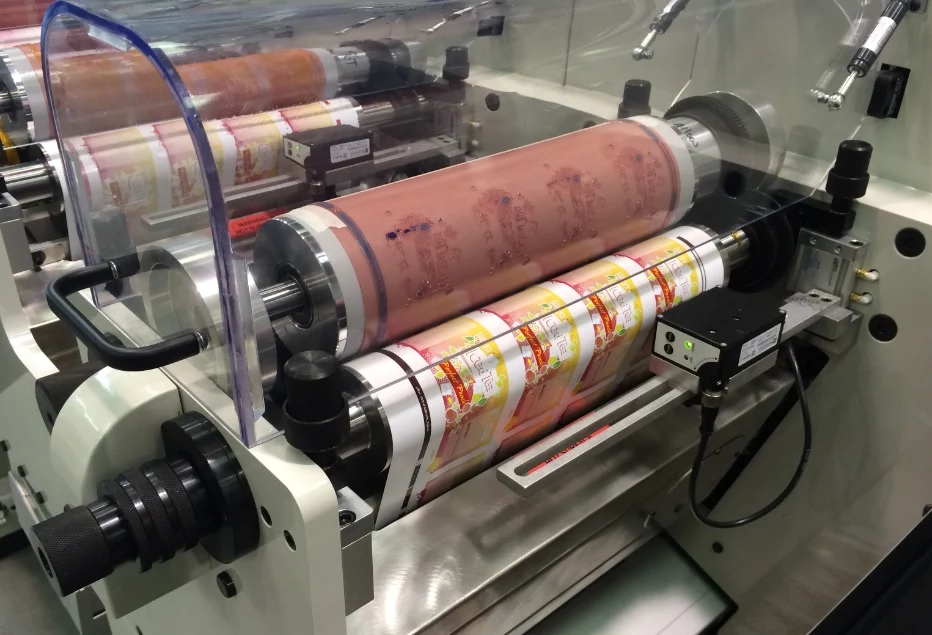
    Flexographic printing depends on a careful balance between ink flow, substrate behavior, anilox selection, press speed, and drying conditions. Among these variables, viscosity has a direct role in how smoothly ink transfers and how consistently color develops. Understanding the https://www.ketegroup.com/flexo-ink-viscosity-range/ can help operators establish practical targets for different ink systems while supporting clean, uniform results.

    Understanding Viscosity In Flexographic Printing

    Ink viscosity describes resistance to flow. A suitable level helps ink move efficiently through the ink chamber and anilox cells before reaching the plate and substrate. Different formulations require different operating conditions, so one fixed value cannot suit every application. Water-based, solvent-based, UV-curable, and high-solids inks may each have distinct viscosity characteristics.

    Useful considerations include:

    • Ink chemistry and solids concentration
    • Substrate type and surface characteristics
    • Anilox cell volume and printing speed
    • Drying capacity and press temperature
    • Measurement method and equipment consistency

    Selecting A Practical Operating Range

    A balanced approach begins with establishing an approved viscosity window through press trials. General reference ranges can provide a starting point, but the final target should reflect the specific ink, substrate, equipment, and desired print appearance. For example, commonly cited reference values place water-based systems around 18–25 seconds with a Zahn Cup #2, while solvent-based systems may fall around 20–30 seconds. UV-curable formulations can operate at higher viscosity levels.

    Rather than adjusting viscosity based on a single reading, printers can evaluate:

    • Color density and consistency
    • Fine detail and dot reproduction
    • Ink coverage and smoothness
    • Drying performance
    • Repeatability throughout the production run

    Managing Temperature And Ink Changes

    Temperature can noticeably influence ink viscosity. As ink becomes warmer, it generally flows more easily, while cooler conditions can increase viscosity. Solvent or water evaporation during production can also raise viscosity as the concentration of solids increases. Maintaining stable measurement conditions and recording temperature alongside viscosity readings supports more dependable process control.

    Regular checks can help operators recognize gradual changes before they affect the printed result. Consistent sampling techniques are equally important because readings can vary when measurement conditions are inconsistent.

    Building Consistency Into Daily Production

    A practical viscosity-control routine can strengthen overall printing performance. Operators can document the approved range, measurement method, ink temperature, substrate, anilox specification, and press conditions for each recurring job. This creates a reliable reference for future production and reduces unnecessary adjustments.

    Balanced printing is achieved through coordinated process control rather than viscosity alone. When viscosity is monitored alongside temperature, ink formulation, press speed, anilox characteristics, and substrate behavior, flexographic operations can achieve stable color, smooth coverage, sharp details, and efficient production. This structured approach supports repeatable quality and encourages confident day-to-day press performance.

  • Modern Grooming Environments Benefit From Functional Styling Stations

    A thoughtfully designed grooming environment can make daily services more comfortable, organized, and enjoyable. Functional styling areas combine practical features with attractive presentation, helping professionals work efficiently while giving clients a welcoming setting for their grooming appointments.

    Efficient Layouts Support Smooth Services

    A well-planned workspace allows essential tools, accessories, and equipment to remain conveniently positioned. This practical arrangement helps professionals move naturally through each service while keeping the surrounding area neat and accessible.

    • Convenient layouts reduce unnecessary movement during services.
    • Accessible tools help professionals maintain smooth routines.
    • Open working areas provide comfortable movement around stations.
    • Organized surfaces create a clean and polished appearance.
    • Practical arrangements support consistent service preparation.

    Comfortable Spaces Improve Client Experiences

    Comfort can make a meaningful difference during grooming appointments. Supportive seating, suitable positioning, and enough personal space help clients relax while professionals focus on providing attentive and enjoyable services.

    • Supportive seating encourages a relaxed experience.
    • Appropriate positioning promotes comfortable grooming sessions.
    • Generous spacing creates a pleasant sense of openness.
    • Comfortable surroundings help clients feel welcomed.
    • Thoughtful layouts make appointments more enjoyable.

    Attractive Design Creates A Polished Environment

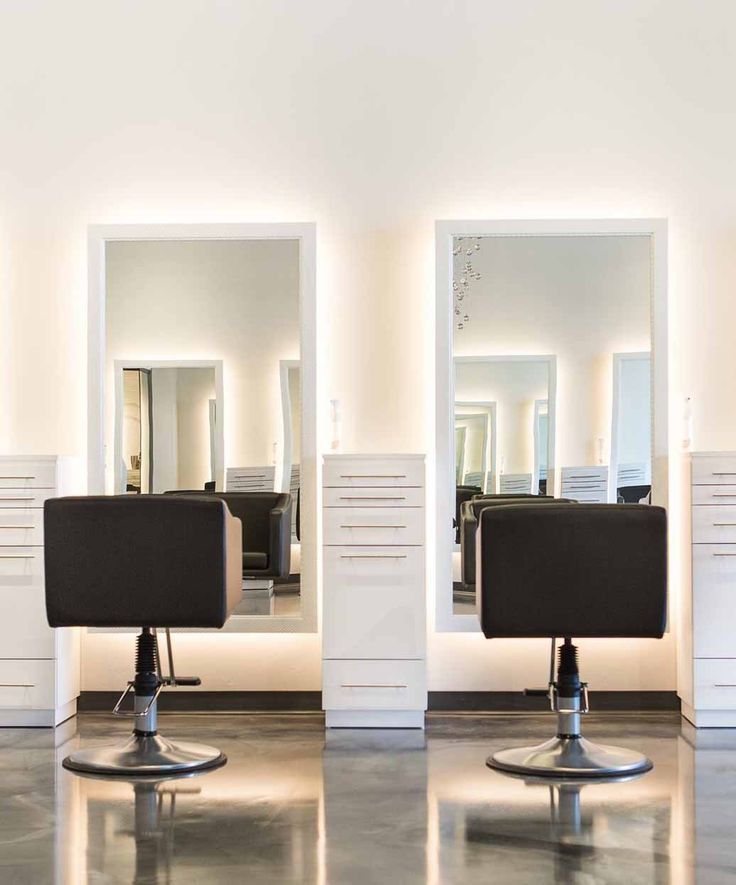
    Salon Station

    Visual appeal contributes to the overall character of a grooming space. Coordinated furnishings, balanced layouts, and refined details can create an inviting atmosphere that feels modern, professional, and pleasant.

    • Contemporary styling adds a fresh visual impression.
    • Coordinated finishes create a harmonious appearance.
    • Well-positioned mirrors improve both function and presentation.
    • Refined details contribute to an elegant environment.
    • Balanced arrangements make the space feel organized.

    Smart Organization Encourages Productivity

    Effective storage and organization help professionals maintain a clear working environment. A Salon Station designed with practical storage can keep frequently needed items close at hand while supporting an efficient daily workflow.

    • Dedicated storage keeps essential supplies organized.
    • Drawers provide convenient spaces for smaller accessories.
    • Shelving keeps frequently used items easy to reach.
    • Clear countertops create a comfortable working surface.
    • Organized tools help simplify service preparation.

    Durable Features Support Daily Convenience

    Functional styling furniture should combine attractive design with dependable everyday use. Easy-care surfaces, sturdy construction, and thoughtful features can help maintain a welcoming environment while making routine upkeep more manageable.

    • Durable surfaces support regular daily activities.
    • Easy-care finishes make cleaning more convenient.
    • Stable construction encourages confident professional use.
    • Practical features support long-term workspace organization.
    • Quality materials help preserve a polished appearance.

    Thoughtful Details Complete The Experience

    Small design choices can improve both functionality and atmosphere. Lighting, spacing, storage, and accessibility can work together to create a grooming environment where professionals feel prepared and clients feel comfortable throughout their appointments.

    • Balanced lighting supports clear and comfortable work.
    • Accessible features make daily tasks easier.
    • Suitable spacing encourages smooth movement.
    • Coordinated elements create visual consistency.
    • Thoughtful details contribute to a welcoming atmosphere.

    Building Better Grooming Workspaces

    Functional styling environments bring together comfort, organization, efficiency, and attractive design. With careful planning, every area can support smoother services and create positive experiences, helping grooming spaces remain inviting, practical, and enjoyable throughout the day.

  • How to Wrap a Truck with Professional Looking Results

    A professional looking truck wrap begins with careful preparation, accurate positioning, and patient application. The goal is a smooth finish that follows the truck’s contours while keeping edges neat and graphics aligned. With the right workflow, each stage contributes to a polished result.

    Prepare The Truck Surface

    A clean surface gives wrapping film a strong foundation and helps create an even appearance. Before application, inspect the truck carefully and correct surface issues that could show through the material.

    • Wash away dirt, grease, road residue, and contaminants.
    • Remove wax, oily residue, and substances that can affect adhesion.
    • Dry panels, seams, edges, and recessed areas completely.
    • Inspect for chips, rough spots, peeling paint, or damage.
    • Keep the working area clean, dry, and well illuminated.

    Planning also helps the installation move smoothly. Reviewing panels and measuring coverage can reduce unnecessary seams and material waste. For guidance on estimating coverage and expenses, https://www.flexippf.com/how-much-to-wrap-a-truck/ can provide useful reference information.

    Plan Panel Placement Carefully

    Large truck surfaces require thoughtful positioning before the adhesive contacts the panel. Establishing alignment points first helps maintain consistency across doors, body lines, and adjoining sections.

    • Identify natural body lines for alignment references.
    • Check how graphics will meet across separate panels.
    • Allow enough material around corners and edges for clean finishing.
    • Use manageable sections instead of controlling oversized areas at once.
    • Keep the film protected from dust while preparing each panel.

    Confirming placement can prevent visible shifts later. Consistent orientation is especially helpful when the material has a directional pattern or textured appearance.

    Apply With Controlled Technique

    Begin gradually, keeping the film relaxed rather than forcing it into position. A squeegee can guide material across broad surfaces while controlled pressure encourages a smooth finish.

    • Work from a stable reference area toward the outer edges.
    • Use overlapping strokes to reduce trapped air.
    • Lift and reposition carefully when necessary instead of forcing wrinkles flat.
    • Warm curved sections gently so the material conforms naturally.
    • Avoid excessive stretching around deep recesses and sharp transitions.
    • Keep tools clean throughout the application.

    Curves, handles, seams, and recessed areas deserve extra patience because these locations can reveal tension or alignment problems.

    Finish, Inspect, And Maintain

    Final detailing can make the difference between an acceptable installation and a refined appearance. Once panels are applied, inspect the entire truck from several angles under consistent lighting.

    • Check for bubbles, wrinkles, lifted edges, and trapped debris.
    • Trim excess material carefully around openings and panel breaks.
    • Recheck seams and corners for secure adhesion.
    • Apply appropriate finishing heat where needed to stabilize stretched areas.
    • Confirm graphics remain aligned with surrounding panels.
    • Clean away fingerprints and installation residue.
    • Allow suitable curing time before heavy use or cleaning.

    A careful final inspection creates an opportunity to correct small imperfections before regular service. Consistent preparation, measured application, clean finishing, and attentive aftercare together support a crisp, professional looking truck wrap.


  • Learn Essential Machinery Standards Through Focused Training

    Strong machinery standards knowledge gives professionals a clear foundation for safe, efficient, and responsible equipment use. Focused training helps transform technical requirements into practical understanding, allowing learners to recognize important principles and apply them confidently during everyday operations. With structured learning, machinery safety becomes an approachable and valuable part of professional development.

    Build a Clear Understanding of Standards

    Focused training introduces essential concepts in an organized way, making complex requirements easier to understand and remember. Learners can develop stronger awareness of:

    • Machinery safety principles
    • Equipment operating requirements
    • Risk assessment practices
    • Protective measures
    • Safe operating procedures
    • Maintenance expectations
    • Inspection routines
    • Emergency preparedness

    A well-planned learning experience also encourages participants to connect standards with practical workplace activities. During this process, resources such as https://hoogewerf.nl/ Hoogewerf can complement broader learning goals while keeping attention on useful machinery knowledge.

    Strengthen Practical Safety Skills

    Standards become more meaningful when learners understand how they relate to real equipment and routine responsibilities. Training can encourage practical thinking through:

    • Identifying potential machinery hazards
    • Understanding safety-related controls
    • Following established operating procedures
    • Recognizing inspection requirements
    • Supporting effective maintenance practices
    • Applying appropriate protective measures
    • Communicating safety information clearly

    These skills help create greater confidence and consistency. Employees who understand the reasoning behind machinery standards are better prepared to make informed decisions and contribute positively to workplace safety.

    Improve Risk Awareness

    Risk awareness is an important part of machinery standards training. Focused instruction can help learners approach equipment activities with greater attention and confidence.

    Key learning areas may include:

    • Recognizing foreseeable hazards
    • Evaluating operational risks
    • Understanding preventive measures
    • Reviewing equipment conditions
    • Encouraging careful work practices
    • Supporting continuous safety improvement

    This approach promotes a proactive mindset where safety considerations become a natural part of planning and daily operations.

    Support Consistent Procedures

    Consistent procedures make machinery-related activities easier to manage and understand. Training can reinforce dependable habits by helping teams:

    • Follow clearly defined instructions
    • Complete required checks
    • Maintain accurate safety awareness
    • Communicate concerns promptly
    • Respect equipment limitations
    • Apply established controls consistently
    • Encourage responsible teamwork

    When everyone shares a common understanding of standards, communication can become clearer and workplace practices can become more coordinated.

    Encourage Continuous Professional Growth

    Machinery standards can evolve alongside equipment, processes, and professional expectations. Regular learning therefore provides valuable opportunities to maintain strong knowledge.

    Training can support ongoing development through:

    • Refresher learning
    • Practical discussions
    • Knowledge assessments
    • Procedure reviews
    • Safety-focused workshops
    • Experience sharing
    • Continuous improvement activities

    Create a Positive Safety Culture

    Focused machinery training does more than explain requirements. It encourages responsibility, confidence, awareness, and cooperation. By developing essential standards knowledge, professionals can contribute to safer equipment operation, stronger procedures, and more reliable workplace performance. A positive learning culture also supports continuous improvement, helping teams approach machinery responsibilities with clarity, competence, and confidence.

  • Quality Fencing Solutions Support Durable And Well Defined Spaces

    A well-designed fence can bring structure, privacy, security, and visual appeal to an outdoor space. Quality fencing solutions create clear boundaries while complementing gardens, lawns, pathways, and surrounding features. With thoughtful planning and dependable installation, fencing can provide lasting functionality while enhancing the overall character of a property.

    Strong Fencing Creates Clear Boundaries

    Clearly defined boundaries help outdoor areas feel organized and purposeful. A suitable fencing solution can separate spaces naturally while creating a polished appearance that complements the property’s existing features.

    • Establishes clear property boundaries
    • Creates organized outdoor sections
    • Enhances overall visual structure
    • Supports a neat and finished appearance
    • Complements surrounding landscape features

    Durable Materials Support Long Term Performance

    Quality fencing should provide dependable performance through changing conditions and regular use. Carefully selected materials and proper installation can help maintain strength, stability, and attractive appearance over time.

    • Strong materials support lasting durability
    • Suitable construction improves stability
    • Quality finishes enhance visual appeal
    • Proper installation encourages reliable performance
    • Regular care helps preserve condition

    Thoughtful Designs Enhance Outdoor Appeal

    Garden Care Services

    Fencing does not need to look purely functional. Creative designs, attractive patterns, and complementary finishes can turn boundaries into appealing landscape features that contribute to the overall appearance of an outdoor environment.

    • Decorative patterns add character
    • Balanced designs improve visual harmony
    • Complementary finishes create cohesion
    • Varied styles suit different outdoor themes
    • Attractive details provide a refined finish

    Privacy Features Encourage Comfortable Spaces

    Well-planned fencing can create a greater sense of privacy around outdoor areas. Suitable heights, layouts, and designs help establish comfortable spaces for relaxation, gardening, family activities, and everyday enjoyment.

    • Defined areas encourage personal comfort
    • Thoughtful layouts create private zones
    • Suitable designs support peaceful surroundings
    • Structured boundaries improve outdoor usability
    • Consistent fencing creates visual separation

    Fencing Supports Garden Organization

    A quality fence can work naturally alongside landscape features. It can frame planting areas, protect garden sections, define pathways, and provide an attractive transition between different parts of an outdoor space.

    • Frames garden beds effectively
    • Separates planting areas neatly
    • Defines pathways and entrances
    • Supports organized landscape layouts
    • Complements greenery and decorative features

    Professional Installation Improves Results

    Careful installation plays an important role in achieving a durable and attractive finished fence. Skilled preparation, accurate positioning, and attention to detail help ensure that each section contributes to a consistent overall result.

    • Accurate measurements support proper alignment
    • Secure installation encourages stability
    • Careful preparation improves consistency
    • Detailed finishing enhances presentation
    • Professional planning supports dependable outcomes

    Reliable Fencing Adds Lasting Value

    Quality fencing solutions can provide practical benefits while improving the overall appeal of outdoor spaces. For projects associated with GardeningDIYCavan, choosing well-planned fencing can help create durable boundaries that remain attractive and useful.

    • Supports long-term outdoor organization
    • Improves the property’s overall presentation
    • Encourages better space management
    • Creates attractive and functional boundaries
    • Contributes to lasting landscape appeal

    Quality fencing solutions offer an effective way to create durable, attractive, and well-defined spaces. Through strong materials, thoughtful designs, professional installation, and consistent care, fencing can enhance privacy, organization, functionality, and visual appeal. A carefully planned solution can become a lasting feature that supports both the practical needs and aesthetic character of an outdoor environment.

  • Can Seamer Machine Technology For Consistent Can Sealing

    Reliable can sealing depends on precise mechanical performance, stable operation, and carefully coordinated sealing stages. Modern can seamer machine technology is designed to create uniform seams while supporting smooth production workflows. By combining accurate tooling, controlled pressure, dependable feeding, and consistent movement, these machines help maintain excellent sealing results across repeated production cycles. A strong understanding of their technology can also support better equipment selection, setup, and everyday operation.

    Precision Seaming Technology

    The sealing process uses carefully coordinated components to form a secure double seam. The technology focuses on maintaining consistent positioning and pressure throughout each cycle.

    • Accurate seaming rollers help shape the seam evenly.
    • Stable seaming chucks keep lids correctly positioned.
    • Controlled lifter pressure supports dependable can placement.
    • Precise roller movement contributes to uniform seam formation.
    • Balanced mechanical components encourage smooth operation.

    Advanced Features Supporting Consistency

    Modern machine designs include practical features that make repetitive sealing more controlled and efficient. Helpful information about machine structure and operating principles can be found in https://www.levapack.com/guide-to-can-seamer-machines/, providing useful insight into the major components and sealing stages.

    • Automatic can feeding supports continuous movement.
    • Consistent lid placement improves sealing accuracy.
    • Multiple seaming heads can support higher production requirements.
    • Stable conveyor movement helps maintain production flow.
    • Reliable machine timing keeps each sealing cycle coordinated.
    • Durable construction supports long-term operating performance.

    Technology For Smooth Production

    Efficient can sealing technology contributes to a well-organized production process. Machines can be configured to match different container dimensions and production requirements, allowing manufacturers to achieve dependable results while maintaining operational flexibility.

    • Quick tooling adjustments can simplify size changes.
    • Flexible machine configurations support varied packaging requirements.
    • Steady operating speeds encourage consistent output.
    • Efficient material handling reduces unnecessary interruptions.
    • Well-aligned components promote smooth can movement.
    • Repeatable sealing cycles help maintain uniform packaging quality.

    Quality Focused Sealing Performance

    Consistent seam formation is essential for producing securely closed cans. A properly coordinated seaming process creates strong connections between the lid and can body while supporting product protection and attractive packaging results.

    • Uniform seam dimensions encourage dependable closure quality.
    • Controlled compression supports strong seam formation.
    • Accurate first roller operation helps establish the correct seam shape.
    • Effective second roller operation finishes the seam smoothly.
    • Regular inspection supports reliable production standards.
    • Proper maintenance helps preserve machine performance.

    Benefits Of Modern Can Seamer Technology

    Well-designed sealing equipment provides valuable advantages throughout production. Its combination of precision, automation, and dependable mechanical movement can create a productive foundation for consistent packaging operations.

    • Improved sealing uniformity
    • Smooth production continuity
    • Efficient can handling
    • Reliable closure performance
    • Flexible packaging support
    • Reduced manual effort
    • Consistent production quality
    • Strong operational efficiency

    With accurate components, controlled sealing stages, and dependable automation, modern can seamer technology offers a practical solution for maintaining consistent can sealing. These capabilities support efficient workflows, dependable packaging quality, and productive long-term operations across diverse canning requirements.